Category Archives: Reviews

Dynasty Warriors: Godseekers review – Musou in Ungodly Proportions
Developer: Omega Force
Publisher: Koei-Temco
Platform: PlayStation Vita*, Playstation 4
Release Date: Jan 31, 2017
ESRB Rating: T
*The Vita Version was used to review this game
Thank You Koei-Temco for Providing a Review Copy of this Game
Dynasty Warriors: Godseekers is a descendent of the Dynasty Warriors franchise, but is now in a Strategy Role Playing Game setting. This isn’t the first time the long lasting Musou franchise has become a SRPG, nor is it related to the previous one, so anyone can freely jump in.


Root Letter Review – The Root of the Problem Is…
Developer: Kadokawa Games
Publisher: PQube
Platform: PlayStation Vita*, Playstation 4
Release Date:
EU:October 28th, 2016
NA: November 10th, 2016
ESRB Rating: M
*The Vita version was played for this review
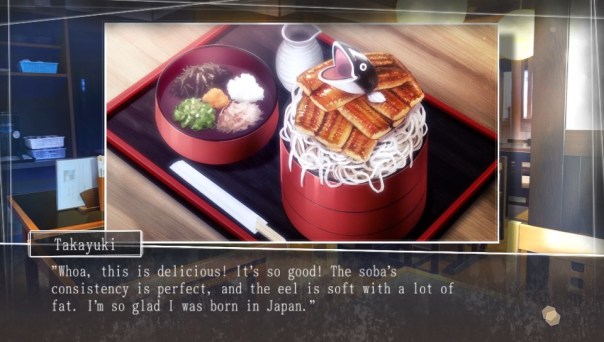
From big budget games over-hyping themselves and failing to live up to expectations, to a small, very niche title that isn’t as good as the premise made it out to be, disappointment comes in all shapes and sizes. Personally, I have a soft spot for niche titles. Bonus points if it’s a visual novel and even more points if it grabs me by the premise alone. Root Letter managed to do all three, making it love at first sight.

Fate/Extella: The Umbral Star- Return to the Moon
Developer: Marvelous Inc.
Publisher: XSEED Games
Platform: PS4, PS Vita; reviewed on PS4.
ESRB Rating: Rated T
MRSP: $49.99 (USD)
A review copy was received by XSEED Games, thank you.
Today we’ll be returning to the Moon Cell to take a look at Fate/Extella: The Umbral Star, the next entry in the on-going series of Fate games that began with Fate/Extra. To not go too far into the story of Extella (to avoid serious spoilers,) we continue after the events of Fate/Extra with the same protagonist and servant companion who now begin what could be their last battle to claim the entirety of the Moon Cell.

Yakuza 0 Review So You Want to be a Yakuza?
Developer: SEGA
Publisher: SEGA
Platform: PlayStation 4
ESRB Rating: M
Release Date: January 24th, 2017
MRSP: $59.99
Thank You SEGA for Providing a Review Copy of this Game
Yakuza 0 is the latest entry in the long running Yakuza series and acts as a prequel to the series as well. In this game you get a closer look into the back stories of the series two biggest characters: main protagonist Kazamu Kiyru, and Majima Goro. Here we see their life from their early days in the Japanese criminal underworld, and get an idea of what led them to where they are now in the current Yakuza games. So how does this prequel fair for the overall series? Well, I am hoping my review can give my experience in this game justice.

Atelier Shallie Plus: Alchemists and the Dusk Sea Review – One Shallie Plus Another
Developer: Gust
Publisher: Koei-Temco
Platform: PlayStation Vita
Release Date: Jan 17, 2017
ESRB Rating: T
Thank You Koei-Temco for Providing a Review Copy of this Game
Atelier Shallie Plus: Alchemists and the Dusk Sea is a game of dual protagonists where both main protagonists are, ironically, nicknamed Shallie. This game is the third and final game in the Dusk series. Of course, each entry in Atelier is represented as it’s own story that has previous characters from the concurrent series in it. So if you don’t want to go out and play previous entries in Dusk, that’s fine.

Super Mario Maker 3DS Review
Developer:Nintendo EAD
Publisher: Nintendo of America
Platform: Nintendo 3DS
ESRB Rating: E
MRSP: $39.99
Thank You Nintendo for Providing a Review Copy of this game.
“Super Mario Maker 3DS” is the latest Wii U game that Nintendo is bringing to the 3DS. The game touts itself as being a fun Mario Maker experience, but on the go. So, how does this portable version of the game stand up to the critically acclaimed 2015 Wii U title? All I can really say is that it is lacking, in more ways than one.
Super Mario Maker 3DS’s gameplay is very similar to that of the Wii U, but instead of using the Wii U gamepad to create the levels, you instead use the touch screen on the 3DS to drag and drop things to create the levels. While it may be harder to create intricate designs compared to the Wii U gamepad because of the size of the 3DS, it still gets the job done.
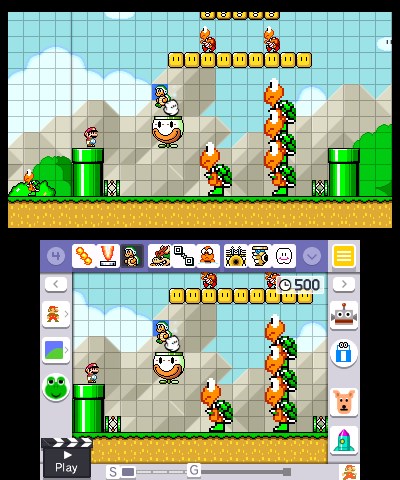
Similar to the Wii U version of the game, you have to be able to complete your levels before you can share them. The gameplay mechanics are as smooth as ever when going through your own Frankenstein creations of levels, and the limits to what you can create are still boiled down to what your imagination can think of. With the ability to take this game on the go now, it’s extremely easy to pick up and play this game to scratch your creative itch.
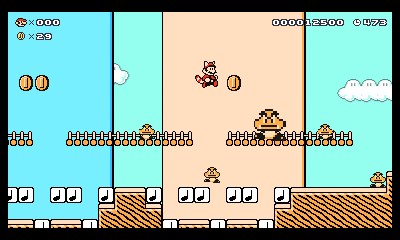
Visually, Super Mario Maker 3DS is alright. The 2D Mario themes are all really good and transitioned well onto the 3DS; it’s when you get to the New Super Mario Bros content the issues arise. The “New Super Mario Bros” style really doesn’t transition well to the 3DS. I honestly suggest creating levels with any of the other 2D elements, as the 3D ones are just jarring.
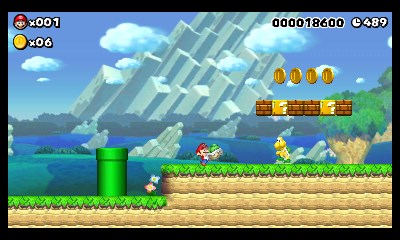
However, while the game does indeed have a lot of good things going for it, it has a lot of things holding it back. The biggest issue with this is the lack of content compared to the Wii U version of this game. The more major difference being that you are unable to upload your levels onto the online database of other levels, instead the game opts to share your creations with others around you through Streetpass. While the Streetpass features are cool, as they allow your friends to help finish levels you haven’t finished creating, it feels like without the online capabilities of the game, it misses the entire point of what made the Wii U version of the game so great. The ability to upload my levels onto the internet and see several people play my levels was the main reason why I continued to play Super Mario Maker; I took feedback from players and used it to create better ones. With that reason, and few people around me actually owning this game to Streetpass with, I grew bored of this game after a few hours.
Sticking to the theme of the games content, while the game does have a ton of premade levels for you to go through, and still has the Mario challenges in it, the game just feels completely lacking when there is a more complete superior version, with Amiibo support, on the Wii U. It just baffles me that so much content was ripped from this game, that it feels like a shell of its former self. You do not have the ability to download levels either that you play, nor can you favorite or rate them. This was really disappointing as I managed to play quite a few good levels that I wanted to favorite, or come back and finish later, but due to the nature of this game I was unable to.

At the end of the day, Super Mario Maker 3DS excels at the level editing the Wii U game was known for. Sadly, that was only a fraction of the full Wii U package. While the game does boast to have a hundred built in levels, I feel like that they should have just taken those and repacked the game as New Super Mario Bros 3, as the sheer lack of online functionalities makes this game very hard to recommend. If you can still find a Wii U, or already have one and are debating on whether or not you should pick up this game, I would say just get it on Wii U.
5/10
+GUI is still good
-Lack of features
-NSMB theme looks bad

Hatsune Miku Project Diva Future Tone Review – Producing Perfection
Developer: SEGA
Publisher: SEGA
Platform: PlayStation 4
Release Date: Jan 10, 2017
MSRP: Colorful Tone pack – $29.99, Future Sound pack – $29.99, both as a bundle: $53.99
ESRB Rating: T
Thank You SEGA for Providing a Review Copy of this Game.
Hatsune Miku Project Diva: Future Tone for the PS4 is actually made of two packs when you go to purchase it off of PSN. One is called Future Sound, with the other called Colorful Tone, hence the game’s title Future Tone. Each can be bought and played separately, but once both are owned it becomes a giant playlist of over 200 songs. That’s right. Not two, not twenty, but two-hundred. If you’ve played the Project Diva games before, you’ll recognize some of the songs listed in Future Sound as that’s where they’ve derived from. Colorful Tone uses music from the Project Mirai series as well as the actual arcade game itself.

Atlus Gives More Information on their new Studio, Studio Zero
Earlier this morning Atlus USA provided us with some more insight on their new development studio; Studio Zero and their first game Project Re Fantasy: A Fool’s Journey Begins.

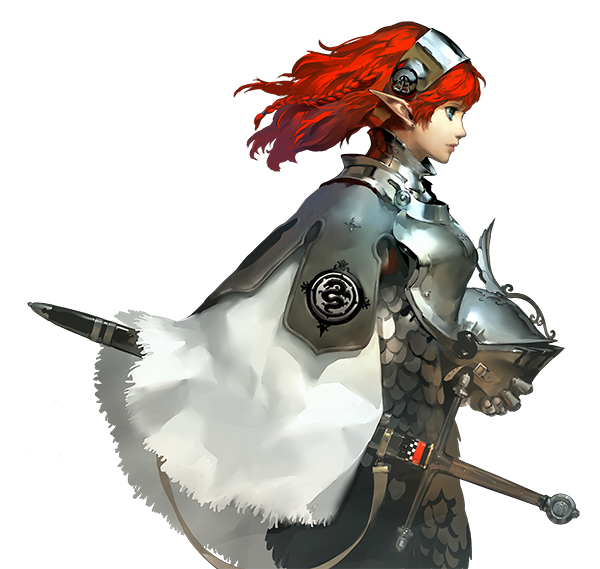
ATLUS, the developers behind the award-winning Shin Megami Tensei and Persona series, and Katsura Hashino – director of ATLUS titles including Persona 5, Catherine, Shin Megami Tensei III: Nocturne, and others – are launching a new internal studio called Studio Zero. Within the studio’s new logo is a story in and of itself: The number 0 is the “Fool” arcana for tarot cards – the void from which all other things begin – and punctuated with the imagery of a young child on a journey.For the game itself, though not much information is available as it is in the earliest of stages of development. But a few things are apparent from the outset – it will be a complete departure from the SMT and Persona series, and a return to the roots of where the Japanese games industry began with fantasy role-playing games. However, as ATLUS has always challenged the prevailing styles of RPG design, it is at the core of Studio Zero’s mission to do this again, imbuing the traditional fantasy RPG with a distinctively ATLUS flavor. Hashino is tapped to be the game’s director, along with other legendary ATLUS names. Along on the journey will be Shigenori Soejima from the ATLUS Artwork Team, responsible for creating the character art of the denizens of this new fantasy world, and Shoji Meguro from the ATLUS Sound Team, who will breathe life and depth into the new world as music composer.“We take seriously this goal of creating a game with the care and detail expected by the people who love ATLUS games and home console games,” said Hashino. “We haven’t determined yet what platform our new game will be, and I imagine this project will take a long time until completion. But we’ll be working hard at this challenge to truly deliver something new and incredible for all our fans.”While Hashino is focusing entirely on building Studio Zero from the ground up, Soejima and Meguro will maintain their responsibilities to the Persona series. Likewise, P-Studio, the production team in charge of Persona, will continue to operate at full strength to develop new entries to fulfill demand for the series. As the startup, Studio Zero will be a driving source of innovation for all ATLUS development. Keep an eye out on the official website, rpg.jp for additional updates.-PR

Shantae: Half-Genie Hero Review: Don’t Call It A Pooptoot
For full disclosure, I personally put $15 into the game’s kickstarter which was the amount needed to get the game.
Developer: Wayforward
Publisher: Wayforward
ESRB Rating:T
Release Date: December 20th, 2016
Platforms: PC, PS4, *PSV, X1, & Wii U
*Version played
Kickstarter is an interesting place. You’re essentially giving money to funds someone else’s idea. Shantae, however, isn’t a new idea at all. She has been around since 2002, with her second game releasing in 2010. In between 2012 and 2013, Wayforward even announced the third and fourth entry in the franchise. One of which was a kickstarter that received about double its initial funding goal. It’s been three years since that kickstarter, but Shantae: Half-Genie Hero is finally out. This fourth entry serves as a sequel, as well as a small reboot for the franchise. As the title suggests, the game is about a half-genie named Shantae. Shantae lives and watches over Scuttle Town as its guardian. The story here is that the genie world is in trouble, and it’s up to Shantae to save it from its impending doom- all while helping her uncle build his newest invention: the Dynamo; a machine that will keep all monsters and pirates at bay. As usual in Shantae, the plot more or less takes a back seat, and the game is filled with witty dialogue, and a few jokes that break the fourth wall.

Valkyria Revolution Heads to the West Q2 2017
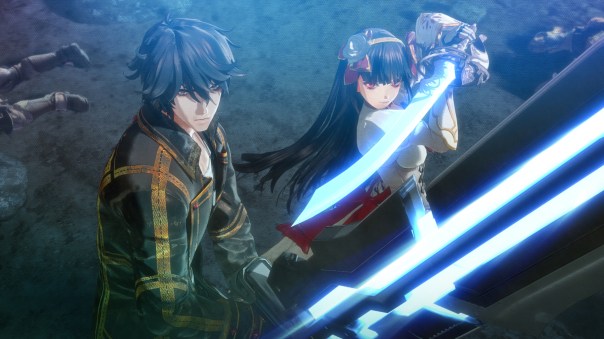
This morning SEGA has announced that the entire new series branch in the Valkyria Chronicles series, Valkyria Revolution will be heading to the west on PlayStation 4, Xbox One and PlayStation Vita (Digital Only) in the first half of next year.
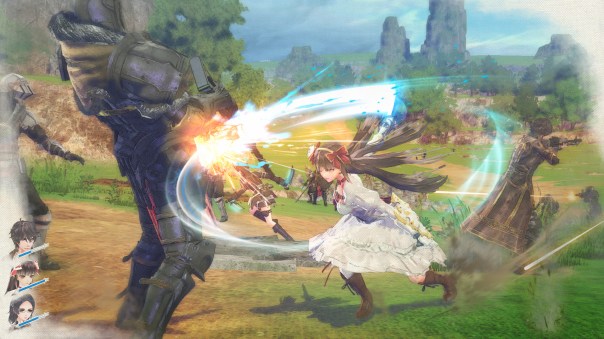
The Valkyria, the embodiment of death is returning to the battlefield in Valkyria Revolution and players will have to do – and sacrifice – whatever is necessary to seek out their vengeance. Previously reported as “Valkyria: Azure Revolution,” the newly titled Valkyria Revolution will release in the west both physically and digitally for the PlayStation®4 and Xbox One™, and as a digital-only title for the PlayStation®Vita. Valkyria Revolution is also in a sense a revolution from the traditional Valkyria Chronicles universe, as it’s set in an alternate timeline based on the European industrialization era and eschews the traditional turn-based strategy gameplay for a new hybrid of real-time combat and tactical strategy across battlefields. Valkyria Revolution will be available in Q2 of 2017.
All it takes is a single spark to start the inferno of war, and in the story of Valkyria Revolution, players will experience that firsthand. Five lifelong friends consumed by personal revenge plunge an entire continent into a terrible war, sacrificing the lives of countless innocents for a cause based on twisted half-truths and outright lies. This “Circle of Five” use their combined influence in their political and military positions to motivate their small, economically blockaded homeland to rise up and become a powerful resistance against its imperialist oppressors. Will the Circle of Five be remembered as heroic liberators, or will their selfish motives expose them as traitorous conspirators who sacrificed untold lives just to carry out a personal vendetta? Players will watch this history unfold in Valkyria Revolution and find out the truth behind the events…
Valkyria Revolution Features:
- A Brush with Death – Turning the tide of battle in Valkyria Revolution is Brunhilde, one of the last of the ancient and powerful Valkyrur, magical beings with near limitless power. She’s bound by oath to the enemy forces and players will have to figure out how to defeat her.
- Prepare for LeGION – Valkyria Revolution has a brand new battle system that mixes real-time combat and tactical strategy. Players can take control of the battlefield using brazen combos or cunning tactics and finding a balance between them is the key to excelling in skirmishes.
- The Ingenuity of War – Through adversity comes great engineering, and with a besieged homeland, players will have upgrade their existing weapons through branching customization paths.
- A New Painterly Look – Valkyria Revolution has a refined look thanks to the new Gouache rendering engine, giving the graphics a unique canvas texture.
- Classic Composer – Valkyria Revolution has a vibrant soundtrack brought to life by the incredibly talented composer Yasunori Mitsuda (Chrono Trigger, Stella Glow)
Now it should be noted that in Japan the game was actually called Valkyria Chronicles Azure Revoltion, but the Azure title was dropped from the western release. SEGA explains this reason as follows:
1) The way the first Valkyria title was localized had a really nice ring to it: Senjou no Varukyuria (lit. Valkryia of the Battlefield) became Valkyria Chronicles. When faced with Aoki Kakumei no Varukyuria (lit. Valkyria of the Blue Revolution), a literal translation was unwieldy, and difficult from a graphic design standpoint as well, and adding in extra punctuation (e.g. Valkyria: Azure Revolution) didn’t help either. So we stuck to a similar cadence of the first Valkyria title and went with a two-word title. Plus:2) Given how vastly different the two games are (Revolution drops the turn-based gameplay, takes place in a different time period, different world, different almost everything), the new name helps to ensure the two titles stood equal but apart from each other.


 The Gaming Gamma